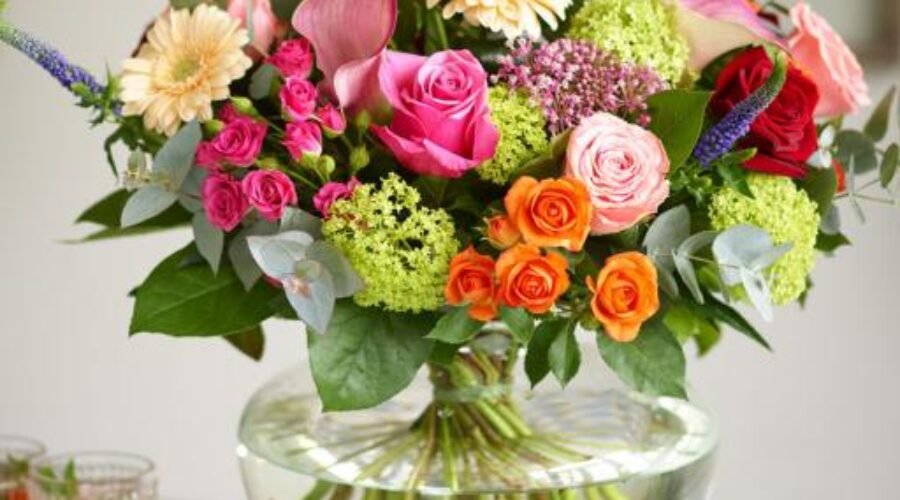
Heat-resistant flowers for summer: Plan your flower beds for extreme heat
The heat is an increasing challenge for garden owners, but plenty of opportunities await you if you choose wisely among summer-blooming, heat-tolerant plants. A well-designed flower bed stays colorful and healthy even on hot days – and requires less work.
What makes a flower „heat-tolerant”?
Heat-tolerant flowers are characterized by blooming abundantly even in scorching sun, hot, dry periods, and not wilting at the first heatwave. These varieties can retain water, have thicker leaves, or grow deeper roots.
The best heat-tolerant flowers for summer
- Lavender – hardy, fragrant, requires minimal care.
- Purslane (Portulaca) – low-growing, its fleshy leaves help it survive drought.
- Verbena – especially sun- and drought-tolerant, produces new blooms in succession all summer long.
- Sunflower – a tall ornamental that blooms all summer and also attracts birds.
- Dahlia – varied colors, high heat tolerance, especially with its dwarf varieties.
- Begonia – thrives in sunny or semi-shaded spots, rewarding you with long-lasting blooms.
- Gazania – its sunflower-like flowers require full sun.
- Sage (Salvia) – proven as both a culinary herb and an ornamental plant.
- Honey flower, marigold, butterfly flower – classic, low-maintenance bedding plants that also tolerate months of heat well.
- Yucca, Sedum, Euphorbia – true survivors, especially in dry, scorching sunny positions.
Designing flower beds for extreme hot summers
Location and layout
- Choose a south-southeast facing spot where the bed receives the most sunlight.
- Layering is important: taller flowers go to the back (sunflower, dahlia), low-growing ones to the front (purslane, honey flower).
- Combine colors boldly – yellow, orange, purple, and pink look great in the summer garden.
Soil and watering in extreme heat
- Nutrient-rich, loose, and well-draining soil is the key. Add compost to help the soil retain moisture.
- Use mulch so the roots stay cool and you need to water less.
- At the edge of the bed, where the soil dries out faster, choose rock garden, succulent, or groundcover species instead (e.g., Sedum, purslane).
Practical tips for low-maintenance success
- Water in the morning instead – on hot days, the plant loses less water this way.
- Check nutrients week by week, especially for geraniums and dahlias, it's worth fertilizing regularly.
- Emphasize naturalness: a less-maintained perennial bed is more stress-free and longer-lasting.
Personal experience – how my garden became low-maintenance
On a weekend at Lake Balaton, when it was already 36°C on the third day, the purslane and lavender held up easily – while some more sensitive plants immediately wilted. This year I also tried gazania, it enjoyed the sunlight all day, and I never had to water it even when I traveled for a few days. So extra heat doesn't have to be fought – you just have to choose consciously!
Frequently asked questions – heat-tolerant flower beds
What should you pay attention to when choosing?
- Ask at the garden center how well the specific varieties tolerate extreme heat.
- Check whether there's an edible or fragrant variety – lavender, for example, also works well as a spice.
How can your flower bed stay beautiful long-term?
- Combine with native, perennial species that return every year.
- Simply mix as many different flowers as possible so there's always something blooming!
Inspiring closing – Make the hot summer an experience in the garden!
The best part is that with a well-put-together, heat-tolerant flower bed, you can calmly enjoy the summer with a lemonade in your hand instead of watering cans! I encourage you to experiment: try purslane, gazania, or even lavender this year, and experience how easy gardening can be even in the heat.
In the end: the heat is not an enemy but an opportunity – may your garden be the colorful venue of summer again this year!