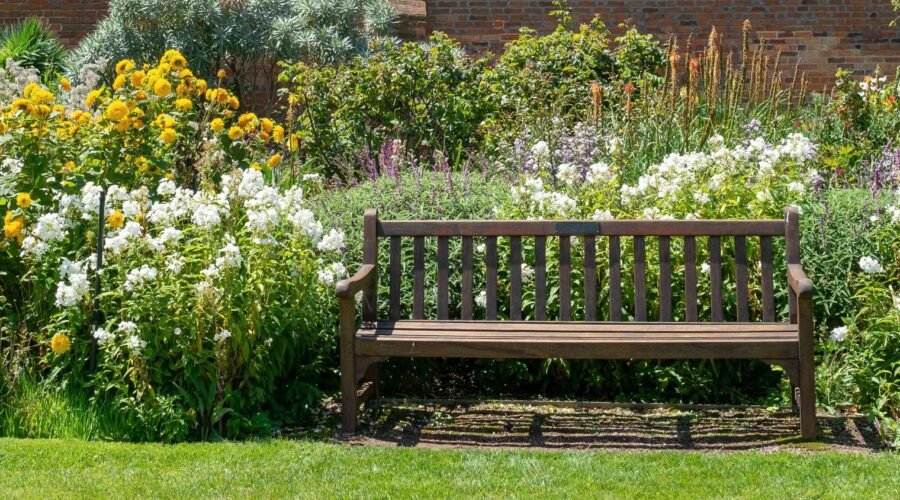
Garden naturalness: New trends and practices in 2025
The Natural Garden: New Trends and Practices for Garden Owners in 2025
More and more people long for their garden to be not just a neatly mowed lawn, but a true, vibrant oasis. But what does the naturalness of the garden mean today, in 2025, and what trends dominate – whether in a small downtown courtyard or a spacious countryside garden?
Naturalness in the Garden – A New-Wave Approach
This year, the naturalness of the garden has become more than just a buzzword: it has become a true way of life. Regular shapes are being replaced by organic lushness, loose plant groupings, and unusual wildflower islands.Why could this be good for you?
- Less work, more joy: A natural-looking „chaos garden” does not require constant pruning, frequent mowing, or regular fertilizing.
- A supported ecosystem: With native plants, bee-friendly flower beds, birdhouses, and hiding spots, your garden will become a true habitat.
- A more unique, bolder garden: Regular, geometric patterns are taking a back seat. Unique plant combinations and wildflower meadows will be both exciting and unpredictably beautiful.
Sustainability, water conservation, native plants: the most important trends of 2025
Sustainable garden design for everyone
The naturalness of the garden is intertwined with sustainability. In 2025, the winning garden is one that withstands extreme weather, requires little water, and needs minimal maintenance.
- Rainwater harvesting and recycling: Rainwater harvesting is now a basic rule. With various storage tanks and soil-soaking solutions, you can efficiently make use of increasingly rare rainfall.
- Native, drought-tolerant plants: Local varieties cope better with the domestic climate, require less watering and fewer chemicals, and are also important for local wildlife.
- Composting, layered planting: Garden waste becomes excellent nutrients, and layered („mulched” or raised-bed) planting ensures good water management and healthy soil.
Wildflower meadows, micro-forests, and biodiversity-friendly gardens
Chaos garden style, a micro-forest in the backyard
One of the most exciting new developments in 2025 trends is the most accurate possible recreation of natural habitats:
- Wildflower beds, small micro-forests where every plant has a role (e.g., pollinators, ground-covering plants, butterfly-friendly varieties).
- Let there be freely developing areas in the garden, wild roses or dog roses, lavender, sage – these demand less, and in return are much more colorful.
Practical tip: birdbath, garden pond
A small garden pond, a babbling brook, or a birdbath provides a habitat for more species and also improves the microclimate. Water in the garden not only nourishes the plants but also refreshes our souls.
Modern technology and naturalness hand in hand
Smart garden: comfortable yet green
- Automatic irrigation systems: Smart sensors adjust watering to the current weather, saving you water and energy.
- Robotic mowers, smart lighting: Everything becomes more convenient, while your garden's ecological footprint decreases.
Practical tips for garden owners in 2025
- Choose native plants and mix them with classic ornamentals.
- Install a composter and regularly cover the soil with mulch.
- Experiment with a wildflower meadow – even a few square meters can work wonders for biodiversity.
- Collect rainwater for irrigation and make the most of what nature offers.
- Keep in mind that the garden does not have to be perfect: naturalness is not the same as untidiness!
And one more personal recommendation…
Speaking from my own experience: nothing is as calming as a pleasant evening in the corner of a wildflower garden, with a cup of tea and listening to the birdsong. If my family joins in, the good mood only grows – for how much better it is to be together in a garden full of life!
The naturalness of the garden in 2025: freedom, sustainability, and true joy for every garden owner.If you are just starting out on this path, a living, inspiring garden will be your reward!